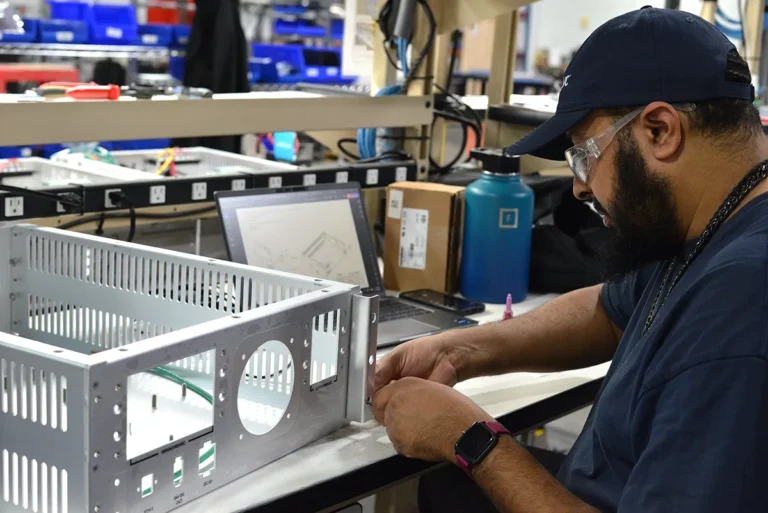
How to Move from Prototype to Scalable Production (And When It’s Time)
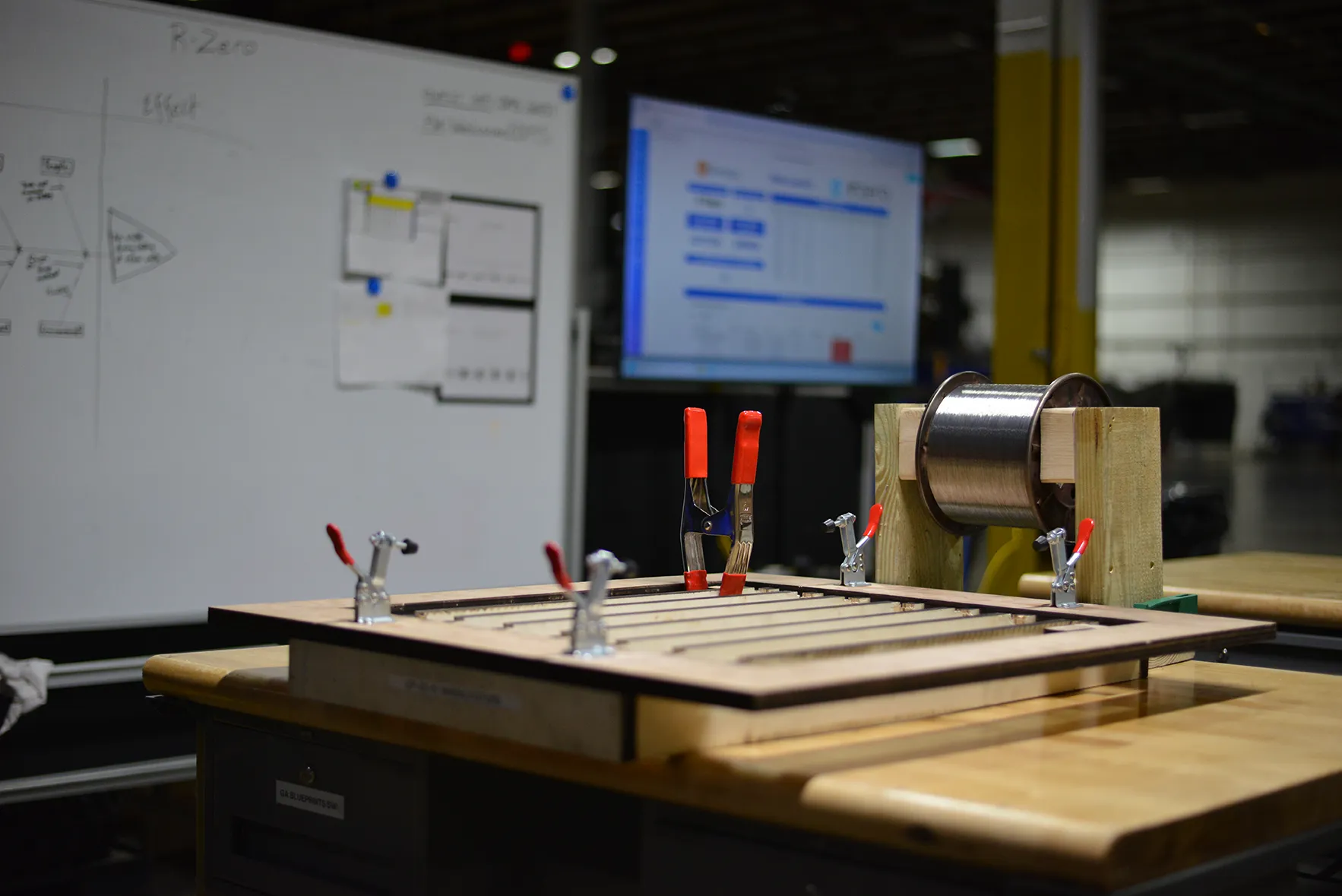
You built the prototype.
It works. It impressed investors. Early customers are interested.
Now the real pressure begins.
Because proving a product works is not the same thing as proving it can be built reliably, repeatedly, and at scale.
For growing companies, the transition from prototyping to scalable production is one of the most critical — and most misunderstood — inflection points in the business lifecycle.
So how do you know when it’s time?
The Hidden Trap of Staying in Prototype Mode
Prototype environments are built for speed and iteration.
They’re flexible. Creative. Resourceful.
They are not built for consistency.
In early stages, that’s exactly what you need. You’re testing assumptions, refining performance, adjusting design.
But as demand increases, the same flexibility that helped you innovate can start to create operational friction:
- Builds vary from unit to unit
- Lead times stretch unpredictably
- Engineers spend time troubleshooting instead of innovating
- Costs remain unstable
- Quality depends on who assembled the product
At some point, growth exposes the limits of informal processes.
That’s when scalable production becomes essential.
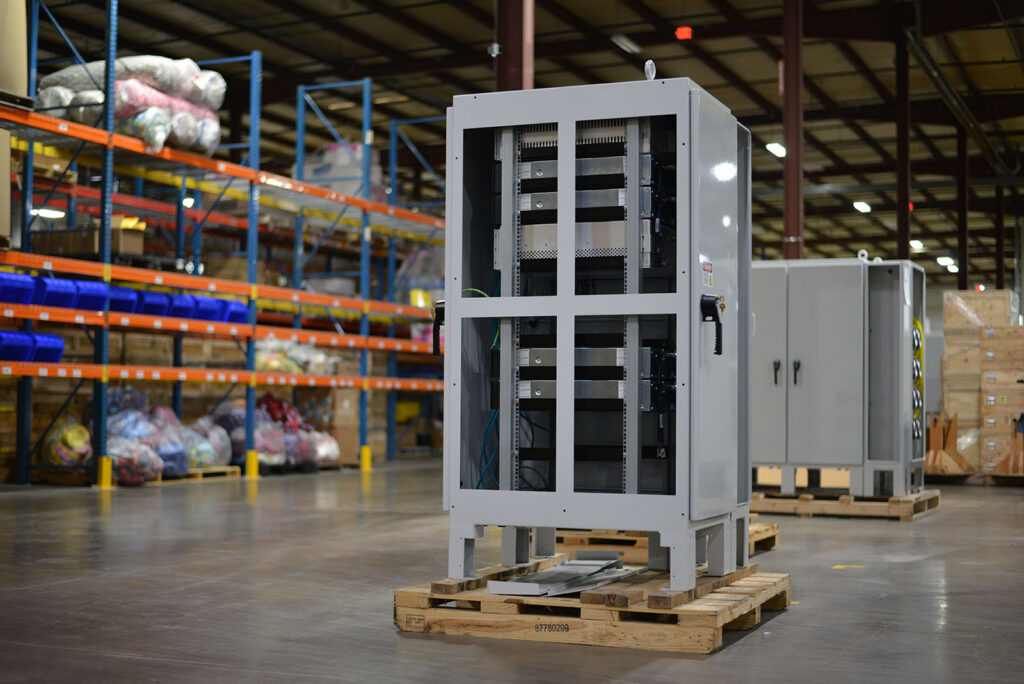
Signs You’ve Outgrown Prototyping
You may be ready to move from prototype to production if:
1. Orders are becoming repeatable.
You’re no longer building one-offs. Customers expect consistency.
2. You’re rebuilding the same unit manually.
If each build still feels “custom” even when it isn’t, you likely need structured production systems.
3. Demand is straining your internal team.
Engineering is buried in assembly support instead of driving product improvements.
4. Investors are asking about production capacity.
They want a credible path from tens to hundreds — or hundreds to thousands.
5. Quality variation is creeping in.
Small inconsistencies now become major risks as volume increases.
These are not warning signs of failure.
They are signals of growth.
If several of these signals feel familiar, it may be time to evaluate your production readiness.
What Changes Between Prototype and Scalable Production?
Prototyping answers: Does it work?
Scalable production answers: Can it work every time — efficiently and profitably?
The shift requires structural change:
- Design for Manufacturability (DFM)
- Stabilized and vetted supply chains
- Documented work instructions
- Formal quality systems
- Cost modeling at projected volume
- Capacity planning aligned with demand forecasts
This is where many companies underestimate the complexity of the production ramp.
Research from McKinsey & Company notes that companies that invest in thoughtful manufacturing and industrialization planning early in the production ramp process reduce the risk of costly delays and operational inefficiencies as they scale. Strategic industrial planning — including deliberate design, supply chain coordination, and execution discipline — is what separates successful production ramps from expensive setbacks.
(See: “Smarter growth, lower risk: Rethinking how new factories are built” by McKinsey & Company.)
The transition from prototype to scalable production is not simply about increasing output. It’s about embedding manufacturing discipline into the product and the process itself.
For many growing companies, that discipline is accelerated by partnering with an experienced contract manufacturer that understands production ramp dynamics, quality systems, and capacity scaling.
The Risk of Waiting Too Long
Many companies delay the move to scalable production because they believe they’re “not big enough yet.”
But waiting too long introduces hidden costs:
- Burned-out internal teams
- Missed revenue windows
- Inconsistent customer experience
- Capital inefficiency
- Reputational damage during early traction
Prototype environments are optimized for innovation.
Scalable production environments are optimized for execution.
They are different disciplines.
Trying to force one to behave like the other eventually breaks something.
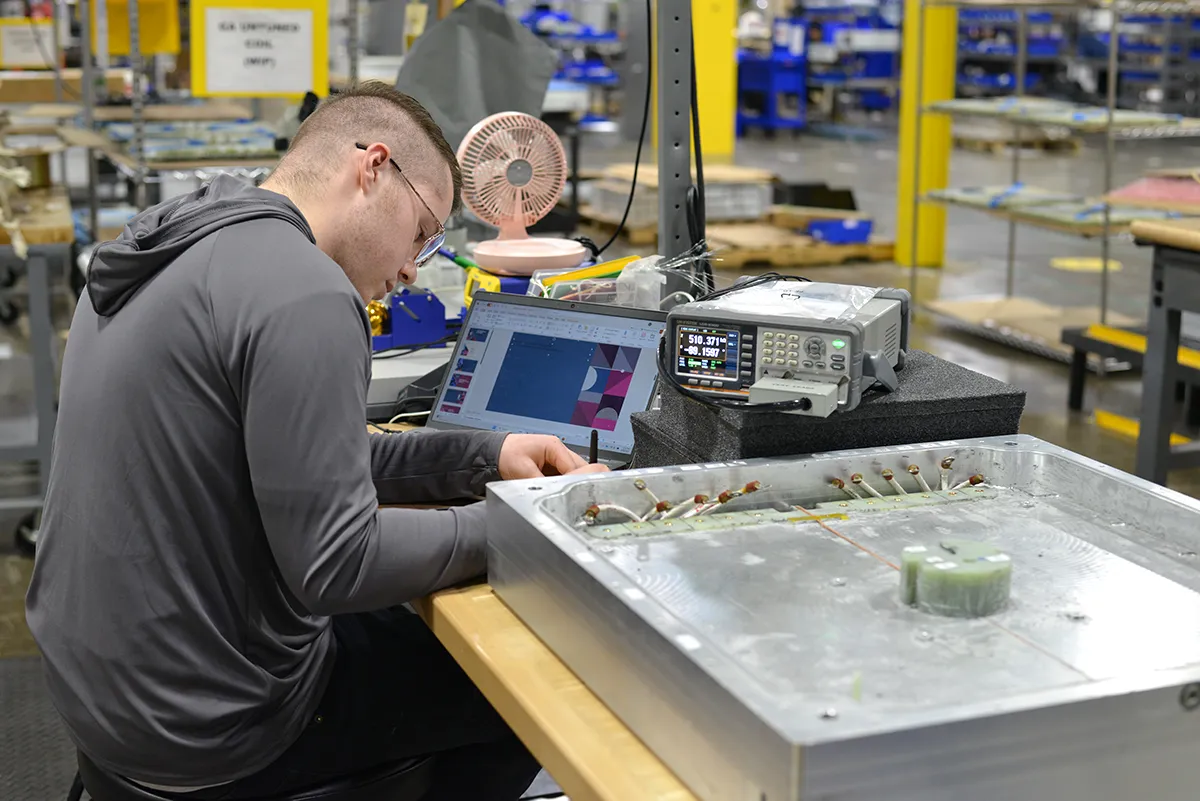
How to Transition to Scalable Production the Right Way
The most successful companies prepare deliberately.
Practical steps include:
- Engaging manufacturing expertise before final design freeze
- Evaluating supply chain resilience, not just unit cost
- Developing standardized work instructions
- Stress-testing cost assumptions at projected volume
- Aligning ramp strategy with realistic demand forecasting
This transition is especially critical for complex, high-value products where precision, traceability, and repeatability matter.
At this stage, the right contract manufacturing partner does more than assemble components.
They provide infrastructure, quality discipline, and scalable capacity — allowing your internal team to focus on innovation and growth rather than operational firefighting.
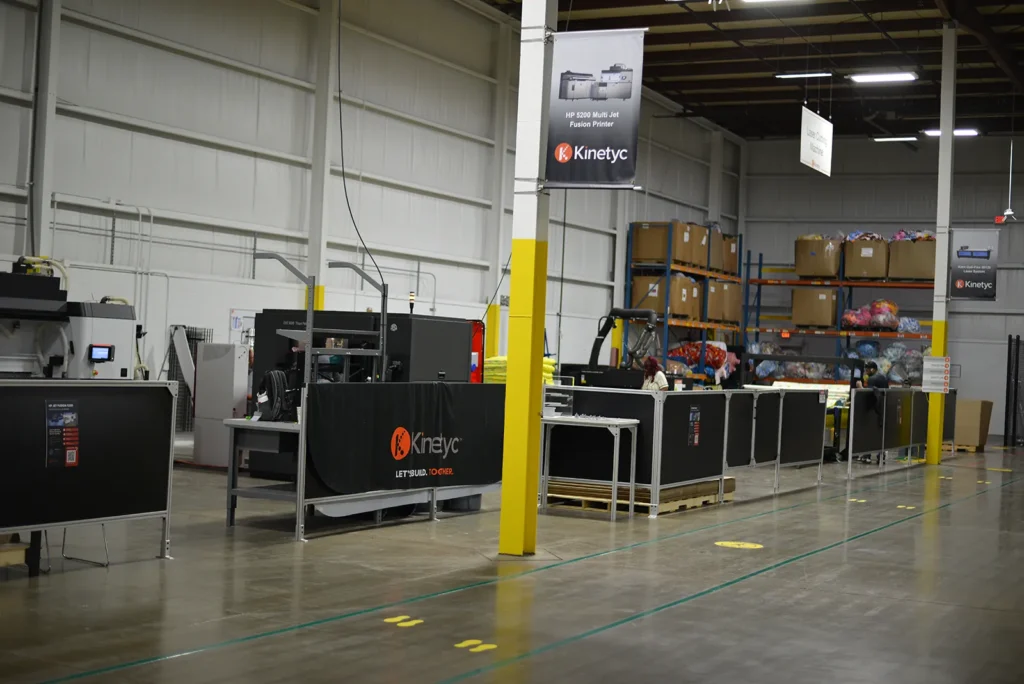
Turning Growth Into Repeatable Execution
At Kinetyc, we work with companies at this exact inflection point — when engineering success must evolve into manufacturing discipline.
We specialize in helping growing companies transition from low-volume builds to structured, scalable production without sacrificing flexibility or quality.
Our focus is not mass commodity manufacturing.
It’s scalable production for complex products that demand precision, process control, and adaptability.
Because growth should not break your operation.
It should strengthen it.
The earlier you engage manufacturing expertise, the smoother your production ramp will be.
Frequently Asked Questions About Scalable Production
Ready to move from prototype uncertainty to scalable production confidence?