Beyond the Gap: How Modern Manufacturing Actually Scales
By the time most companies realize their production model won’t scale, it’s already too late.
The product works.
Demand shows up.
The opportunity is real.
But the system behind it wasn’t built to handle what comes next.
We’ve seen this pattern play out repeatedly—especially in programs where early success accelerates demand. In unmanned systems, for example, the real failure point often isn’t the technology—it’s what happens when production has to catch up. [kinetyc.com]
And what starts as momentum quickly turns into friction:
- Timelines stretch
- Quality becomes inconsistent
- Engineering gets pulled into production
- Confidence begins to erode
Not because the company failed.
Because the model did.
We’ve been thinking about scaling the wrong way
When companies prepare for growth, they usually focus on one thing:
Capacity.
More space.
Additional labor.
Higher output capacity.
But as we’ve explored before, the real challenge isn’t simply moving from prototype to production—it’s navigating everything in between, where traditional partners aren’t built to support growth. [kinetyc.com]
Scaling isn’t just about doing more.
It’s about whether your production system can adapt as things change.
And in modern hardware—especially in aerospace, defense, and advanced mobility—things always change:
Most manufacturing systems aren’t built for this.
They’re built for stability.
That’s why traditional manufacturing systems break under real growth
Once you recognize the pattern—the breakdown between early builds and true production scale—it becomes clear that what’s often described as a “gap” is actually something deeper.
It’s a mismatch.
A mismatch between:
- How products evolve
- And how manufacturing systems are structured
The result?
Companies are forced into tradeoffs:
So when demand hits, they react:
This isn’t a capacity problem.
It’s a design problem.
The companies that scale successfully do one thing differently
They don’t treat manufacturing like something to figure out later.
They design for it early.
Not just for volume— But for volatility
They build systems that:
- Handle change without breaking
- Scale without starting over
- Support growth without overcommitting
They understand something critical:
Production isn’t a phase. It’s a capability.

What modern scalable manufacturing actually looks like
When manufacturing is designed for real-world conditions, it looks different.
Not bigger.
Smarter.
Instead of rigid, fixed systems, you see:
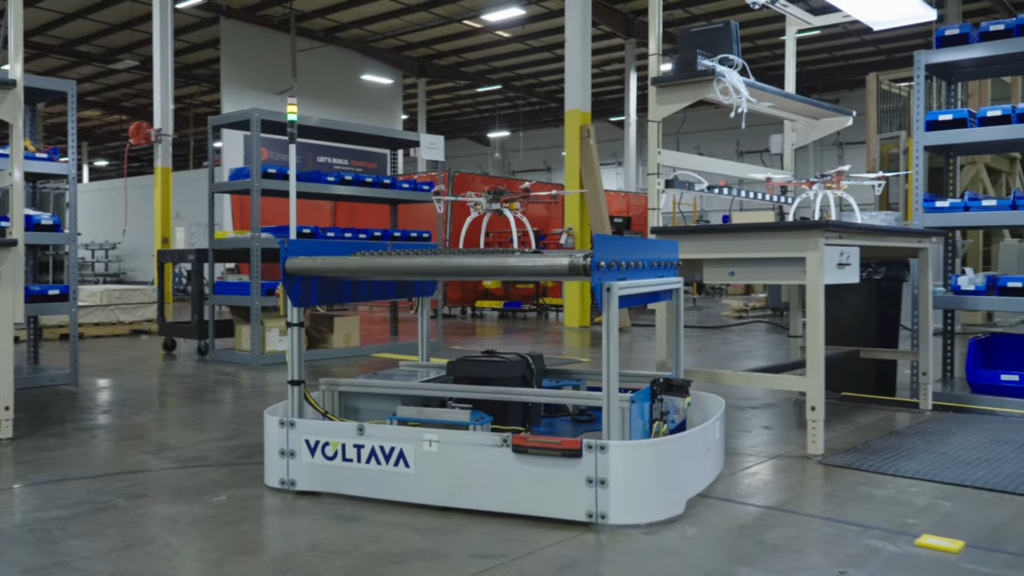
- Modular production environments that expand with demand
- Line-balanced workflows built for repeatability
- Rapid changeover capability to absorb engineering updates
- Integrated traceability and compliance from the start
- Stepwise scaling, aligned to real demand—not assumptions
This kind of system doesn’t force a compromise between flexibility and control.
It’s built to deliver both.
A different model—built for how products actually scale
The failures we’ve seen—and the “gap” so often discussed—aren’t solved by adding more capacity or waiting for the right moment to scale.
They require a different approach entirely.
One where production systems are:
- Designed to evolve
- Built to handle uncertainty
- Structured for growth from the beginning
In other words:
Manufacturing that adapts as fast as the product does.
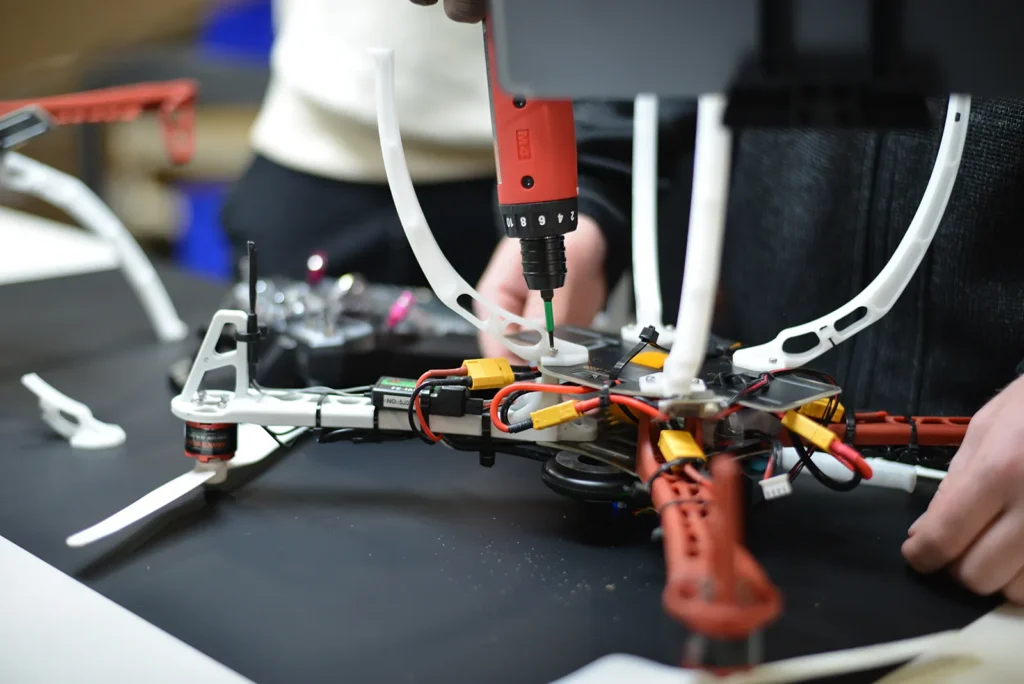
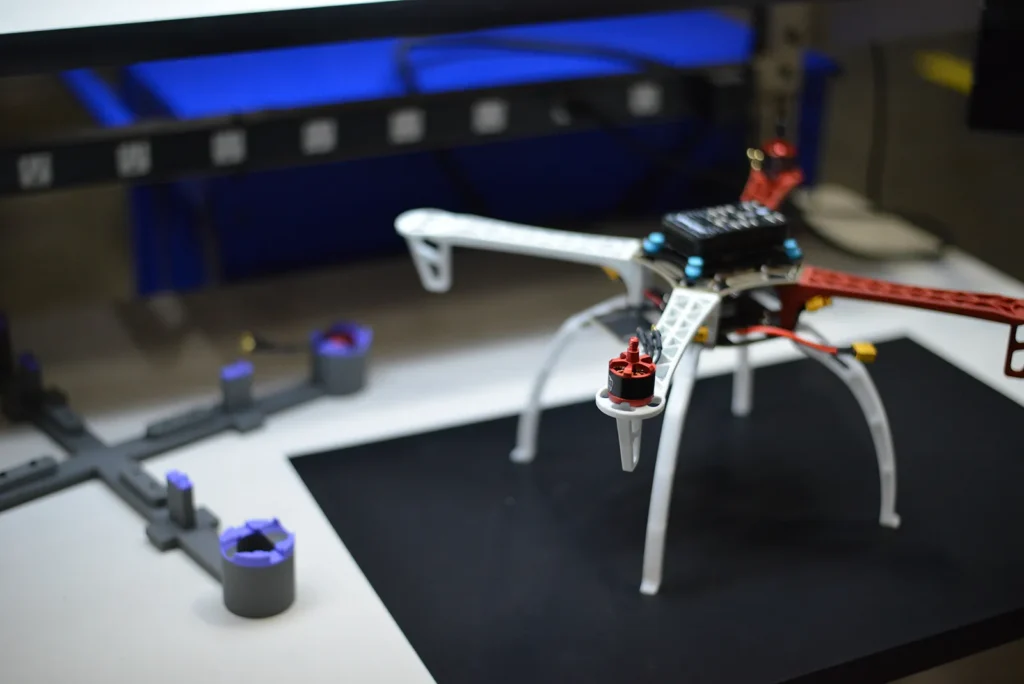
Where FLEXembly fits
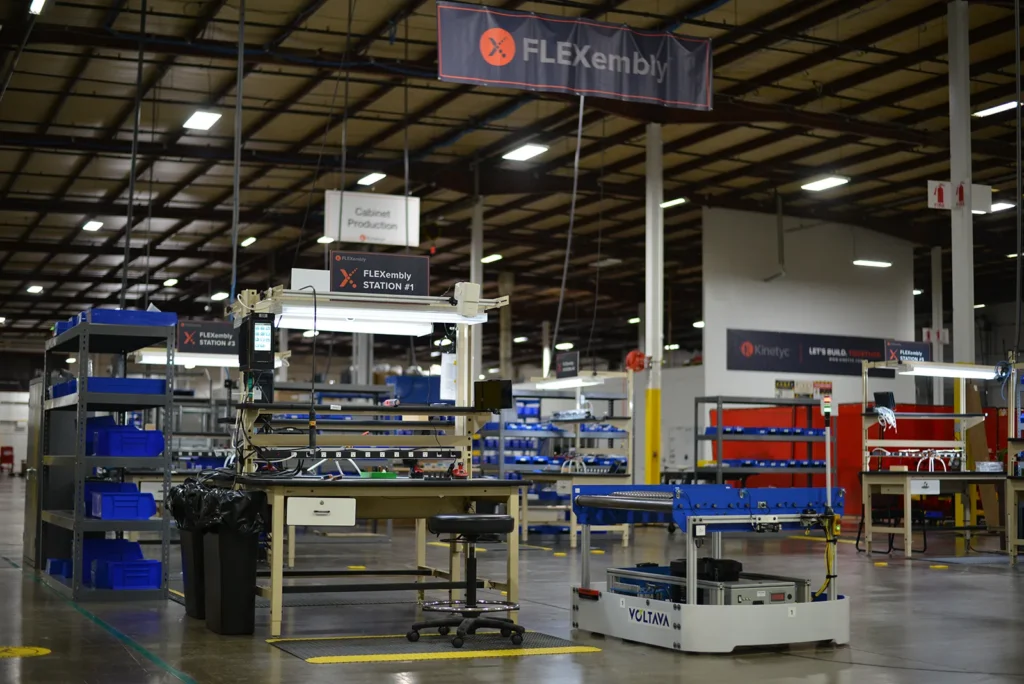
FLEXembly is built on this model.
It’s not a workaround for the prototype-to-production gap.
It’s a response to what that gap actually represents.
A system designed for the reality most scaling companies face:
- Changing designs
- Unpredictable demand
- Increasing compliance pressure
- High expectations from customers and partners
FLEXembly provides:
- A modular production architecture that grows with your program
- Production readiness built in early, not added later
- A structured path from early builds to full-scale delivery
- A U.S.-based, compliant manufacturing environment
All driven by a simple principle:
Your manufacturing system should scale with you—not slow you down.
How it works in practice
FLEXembly is built around three stages:
- Prepare
Production systems, tooling, and processes are established before scale creates pressure - Scale
Modular capacity expands in step with your program - Deliver
Products are built with full traceability, repeatability, and compliance
This isn’t reactive manufacturing.
It’s engineered readiness.
What this changes for you
When manufacturing is built this way, scaling stops being a risk.
It becomes a strength.
- You pursue opportunities with confidence
- Production keeps pace with demand
- Engineering stays focused on innovation
- Compliance is built in—not bolted on
And most importantly:
You don’t have to build this system yourself.
The gap was never the root problem
The industry talks about the space between prototype and production.
But that “gap” was never the real issue.
It’s a symptom of something deeper:
Manufacturing systems weren’t designed for how modern products actually scale.
Once that changes, everything else does too.
The question isn’t whether you can scale
It’s whether your production system was built to.